
In today’s fast-moving business world, clear communication is key to success. That’s why selecting the right conference room audio video solutions can improve how teams work together, how ideas are shared, and how audiences interact. From crystal-clear sound to sharp visuals, each part of the system is essential for smooth meetings and powerful presentations. Understanding the importance of conference room audio video solutions sets the foundation for effective collaboration.
In this article, we’ll explain what conference room audio video solutions are, why they’re important, the key components they include, and how to choose the right provider. We’ll also share best practices to help businesses get the most out of their AV investments.
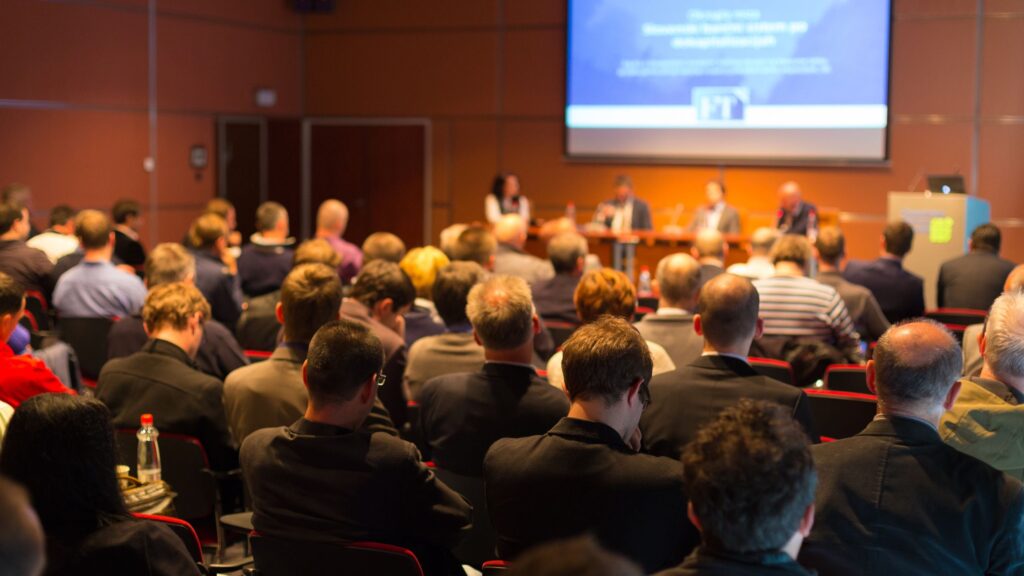
What Are Conference Room Audio Video Solutions?
Conference room audio video solutions are integrated systems designed to support audiovisual communication in meeting and event spaces. These systems typically include:
- High-quality sound systems.
- Video conferencing displays.
- Microphones and speakers.
- Camera systems.
- Display screens or projectors.
- Control systems to manage AV sources.
While basic setups focus on sound and visuals, advanced configurations offer hybrid features like live streaming and remote participation. A well-designed solution ensures clear audio, sharp visuals, and seamless connections for all participants. Additionally, reliable technical support helps organizations avoid disruptions and maintain smooth, professional presentations.
Why Great Conference Room AV Matters
In a professional setting, clear communication is crucial. When audio fails or visuals blur, focus quickly diminishes. Therefore, investing in top-quality conference room AV solutions is essential, not optional. These solutions boost productivity by:
- Enhancing speaker clarity during discussions.
- Supporting rich media presentations and video playback.
- Enabling seamless interaction with remote team members.
- Allowing smooth transitions between different meeting formats.
For example, poor audio in a multinational meeting can lead to misunderstandings, lost time, and disengagement. On the other hand, a conference room equipped with professional AV technology ensures clear communication and promotes collaboration. Reliable sound, sharp visuals, and intuitive controls make every meeting, from boardroom discussions to large-scale presentations, run smoothly. Learn more about Audiovisual planning.
Key Components of Effective Conference Room AV
To enable seamless collaboration, modern conference room AV solutions include key components that enhance the experience:
1. Premium Audio Systems
Clear audio is crucial for effective communication. A well-engineered system includes:
- High-fidelity speakers.
- Clear microphone arrays (ceiling, tabletop, or wireless).
- Echo cancellation technology.
These features ensure crisp sound, even in large rooms, and adjust automatically to the room’s acoustics.
2. Professional Video Displays & Cameras
Video clarity is essential. Large LED screens, interactive touch displays, and high-resolution projectors enable clear content sharing. PTZ (pan/tilt/zoom) cameras track speakers, improve engagement, and offer a dynamic experience for remote participants.
3. Integrated Control Systems
Efficient control systems simplify AV management. Presenters can adjust audio, video, and lighting from a single interface, reducing technical issues and allowing participants to focus on the content.
4. Hybrid & Live Streaming Capabilities
Hybrid meetings require AV solutions that support both in-person and virtual participation. Live streaming and hybrid tools integrate with platforms like Zoom and Teams, ensuring smooth broadcasts and high-quality streaming.
These components provide a smooth, engaging, and effective AV setup for any conference room.

Conference Room AV Tips
Designing effective AV systems goes beyond just the equipment—it’s about following best practices to maximize impact. Here’s how to ensure success:
I. Conduct a Room Assessment
Every meeting space has unique characteristics. It’s crucial to evaluate the room’s size, shape, seating arrangement, ambient noise levels, and lighting conditions. This helps determine the best placement for speakers, screens, cameras, and microphones, ensuring that each component delivers optimal performance
II. Choose Scalable & Flexible Technology
As your business grows, your AV requirements will change. Choosing scalable and flexible AV solutions ensures that your system can evolve with your needs. Modular systems allow for easy upgrades or additions without the need to replace the entire setup, making your investment more cost-effective and future-proof.
III. Integrate User-Friendly Interfaces
The best AV technology is only effective if it’s easy to use. Opt for systems with intuitive interfaces that simplify the management of audio, video, and lighting. Features like one-touch meeting starts and automated controls reduce the learning curve and ensure smooth operation with minimal training.
IV. Partner with Expert AV Providers
Working with experienced AV providers is essential for ensuring a successful setup. These professionals bring expertise in system design, precise installation, and ongoing support. They help you avoid common pitfalls, ensure reliability, and provide solutions that are adaptable to your changing needs.
By following these best practices, you ensure your AV systems are effective, reliable, and scalable.
How Conference Room AV Enhances Business Outcomes
Professional conference room audio-video solutions offer more than just technical quality; they provide measurable benefits that enhance organizational outcomes:
- Supporting Clear, Effective Communication.
- Enhancing Participant Engagement in meetings and events.
- Enabling Remote Collaboration with distributed teams.
- Increasing Audience Satisfaction at Corporate Events.
- Delivering Reliable Performance for critical presentations.
Additionally, hybrid meeting capabilities broaden your reach, allowing organizations to connect with external stakeholders, remote employees, and global partners. Whether hosting internal strategy sessions or high-profile external events, flawless AV technology boosts credibility and ensures well-executed presentations.
Common AV Challenges & Solutions
Even the best AV setups can face challenges, including:
- Poor room acoustics.
- Inadequate microphone coverage.
- Low-resolution displays.
- Complex system controls.
To tackle these issues, AV professionals use advanced audio processing, strategic equipment placement, and user-friendly control interfaces. For example, echo cancellation and noise suppression reduce distortion in rooms with hard surfaces, while strategically positioned cameras keep every presenter in view, no matter their movement.

Conclusion
In summary, conference room audio-video solutions are essential for modern business communication. From high-quality sound and visuals to hybrid meeting support and intuitive control systems, these AV solutions enhance collaboration, boost engagement, and support organizational goals. For professional results that match your event vision and business needs, rely on the expertise of Mongoose AV, a company that consistently provides tailored AV solutions with technical excellence and personalized support.