
Every modern event runs on technology. However, technology only works when a skilled operator drives it. An audio visual technician keeps sound clear, visuals sharp, and transitions smooth, so your audience stays focused on the message. Consequently, the right technical support turns a stressful production into a controlled, confident experience. Event teams often plan agendas, speakers, and seating first. Meanwhile, the audience judges the event through microphones, screens, and lighting. This guide shows how the role of an audio visual technician works, what to expect, and how to structure AV support so your event feels effortless.
The Full Scope of an Audio Visual Technician’s Role
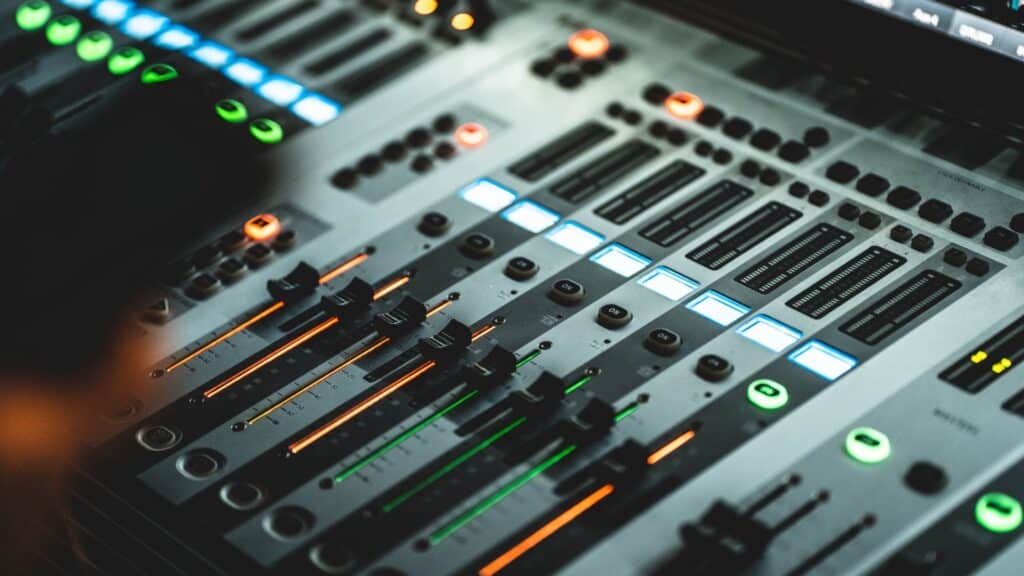
People often reduce AV work to “setting up a mic.” Yet the role covers a complete technical system that must perform under pressure. A technician connects audio, video, lighting, and streaming into one working chain. Moreover, they protect that chain when anything changes. The real scope of work includes:
- Sound control: They set gain, EQ, and levels so speech stays intelligible and music stays balanced.
- Video reliability: They route signals to projectors, LED walls, confidence monitors, and recorders.
- Lighting basics: They shape visibility for speakers and cameras, while avoiding glare on screens.
- Show timing: They cue walk-up music, stingers, slides, and video playback on schedule.
- Risk control: They keep backups ready and react quickly when something breaks.
As a result, the audience feels “smoothness,” even when the team fights complexity behind the scenes. Ultimately, this behind-the-scenes coordination transforms technical complexity into a seamless experience that feels effortless to the audience.
How Audio, Video, and Timing Work as One System
Audio, video, and timing function as a single operational system rather than separate components. A change in one element immediately influences the others. For instance, audio latency affects video synchronization, while lighting adjustments impact camera exposure and screen visibility. Therefore, technicians design systems by tracing the full signal path instead of optimizing individual devices in isolation.
Timing then becomes the control layer that keeps everything aligned. It governs when microphones open, slides advance, videos roll, and speakers take the stage. When technicians manage timing precisely, transitions feel smooth and intentional. However, when timing slips, even strong equipment setups feel disorganized. Consequently, skilled technicians focus on coordination and sequencing to maintain flow, clarity, and audience engagement.

What Happens Technically Before, During, and After an Event
A solid structure beats last-minute heroics. So, instead of treating AV as a single task, treat it as a timeline with checkpoints.
I. Before Doors Open: Build Stability
- Map the signal path from source to output.
- Label every cable so the team fixes problems fast.
- Run a full audio check for speech, walk-in music, and video playback.
- Test every video input that a speaker might use, including adapters.
- Lock the show file for playback and slides so cues stay consistent.
Then, once you finish the technical build, you can focus on presenter comfort and timing.
II. During the Show: Manage Attention
A technician watches the room and the meters at the same time. For example, they ride speech levels when a presenter turns away from the mic. Similarly, they adjust projector settings when house lights change. Meanwhile, they watch for audience reactions that signal technical trouble.
III. After the Show: Protect Assets
The team powers down equipment correctly, packs it securely, and clears the venue efficiently. As a result, you avoid damage fees, missing components, and rushed errors. Meanwhile, technicians document equipment status to improve future performance and cost control.
Careful planning and execution ensure a smooth event with minimal issues, protecting your assets and guaranteeing seamless delivery.
Why Events Depend on Skilled Audio Visual Technicians
Modern events rely on precise technical execution because audience attention depends on clarity, timing, and reliability. Here is where technicians come in:
1) Consistent Sound Delivery: Technicians balance microphones and speakers to maintain clear, even audio. As a result, audiences hear every message without distraction.
2) Reliable Visual Presentation: They control signal flow and displays to prevent visual interruptions. Consequently, content stays clear, aligned, and professional.
3) Controlled Event Flow: Technicians manage cues and transitions to support the event schedule. Therefore, sessions progress smoothly and predictably.
4) Immediate Problem Resolution: They detect issues early and apply quick technical fixes. Thus, disruptions never reach the audience.
Skilled audiovisual technicians transform complex technology into stable, professional event experiences that audiences trust. Learn more about Audio Visual Production for Live Events.
How Technicians Prevent Problems During Live Events
Problems happen. However, most failures follow predictable patterns. Experienced technicians rely on repeatable responses.
A) If Audio Feeds Back
- Lower the offending mic channel first.
- Move the mic away from the speakers.
- Reduce low-mid frequencies slightly.
- Increase coverage through placement, not raw gain.
B) If a Laptop Stops Sending Video
- Swap the cable and adapter immediately.
- Switch to a backup input.
- Use a secondary playback device.
- Standardize resolution across the system.
C) If Streaming Stutters
- Reduce bitrate temporarily.
- Prioritize wired connections.
- Limit unnecessary video sources.
- Maintain a local recording as backup.
Therefore, the audience experience stays intact even when the equipment misbehaves. In addition, technicians maintain confidence and continuity when unexpected technical issues arise.
What to Look for When Hiring an Audio Visual Technician
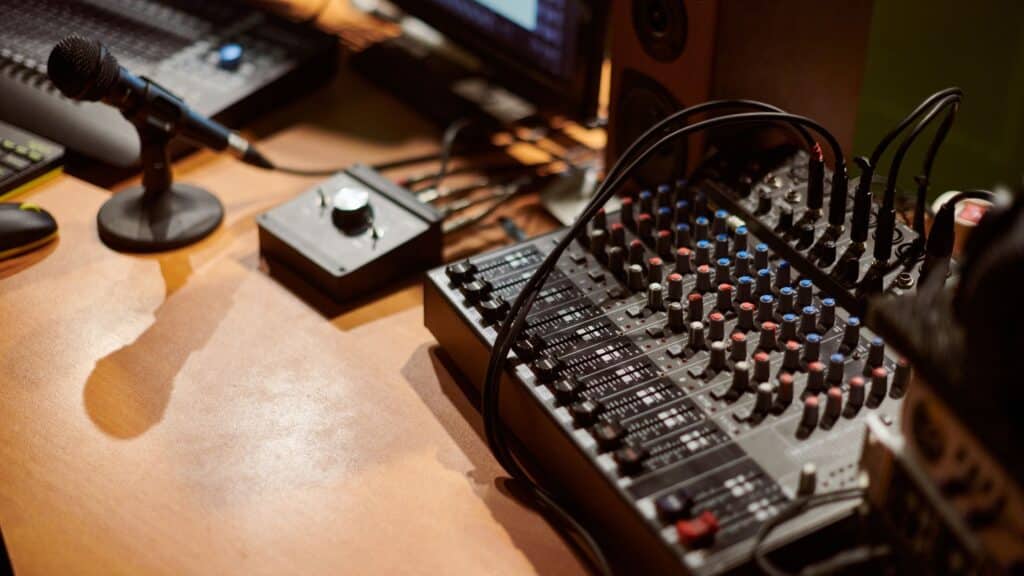
Choosing the right technician requires evaluating both technical ability and real event experience.
- Proven System Knowledge: They understand complete AV signal flow, not just individual equipment operation.
- Strong Event Awareness: They anticipate timing changes, speaker behavior, and audience interaction needs.
- Clear Communication Style: They explain technical decisions clearly without using confusing jargon.
- Reliable Backup Planning: They prepare redundant systems to prevent show-stopping failures.
The right technician combines technical skill, preparation, and composure to protect event quality.
Conclusion
A great event needs strong content, yet it also needs flawless delivery by an audio visual technician. An audio visual technician creates that delivery by controlling sound, visuals, and timing with discipline and speed. They ensure every moment is precisely executed, keeping the audience engaged from start to finish. When you want dependable event production support for corporate, conference, hybrid, and live streaming formats, Mongoose AV can coordinate the right technical approach for your show.