
Audiovisual planning often determines whether an event succeeds or fails. Poor sound, unclear visuals, or technical delays quickly damage audience trust. Therefore, event organizers must treat audiovisual planning as a strategic priority, not a last-minute task. This guide explains how professional audiovisual planning improves event flow, eliminates technical risks, and enhances audience engagement. Moreover, you will learn proven planning steps, best practices, and how expert AV partners ensure consistent results for live, virtual, and hybrid events.
What Is Audio Visual Planning?
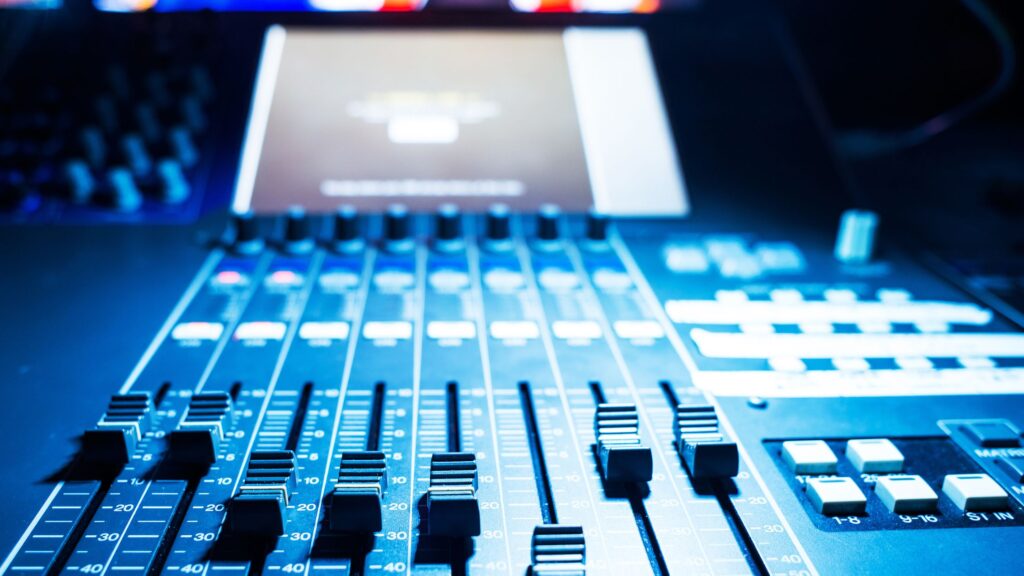
Audiovisual planning is the structured process of designing, organizing, and executing all sound, video, lighting, and streaming elements of an event. It aligns technology with event objectives to ensure clear communication and smooth delivery. Additionally, audiovisual planning covers equipment selection, venue assessment, crew coordination, and contingency preparation. When executed correctly, it transforms complex productions into seamless audience experiences.
Moreover, audiovisual planning establishes a clear technical roadmap for every stage of an event. It defines signal flow, power distribution, screen placement, and audience sightlines before setup begins. As a result, teams work with precision and confidence throughout production. This structured approach also minimizes downtime, improves coordination between vendors, and ensures consistent performance across live, virtual, and hybrid environments. Learn more about The Importance of Corporate Event Production.
Why Audio Visual Planning Is Essential for Events
Audiovisual planning supports event success by eliminating distractions and improving delivery.
- Clear Audio: Clear audio delivers messages clearly, even in large rooms. Planning prevents feedback issues consistently.
- Visual Consistency: Consistent visuals guide audience focus effectively. Proper placement avoids sightline problems everywhere.
- System Reliability: Reliable systems prevent live disruptions completely. Backup plans reduce failure risks significantly.
- Presenter Confidence: Preparation lowers presenter stress levels greatly. Rehearsals build speaker confidence quickly on-site.
- Brand Credibility: Professional execution strengthens brand credibility consistently. Polished AV reflects organizational quality clearly.
These elements show why strategic audiovisual planning remains essential for delivering professional, high-impact events.

Core Elements That Define Professional Audio Visual Planning
Professional audiovisual planning relies on a structured approach that aligns technology with event objectives. Each element plays a critical role in delivering consistency, reliability, and audience engagement.
1) Event Goals and Audience Analysis
Audiovisual planning starts by defining clear event objectives early. It evaluates audience size, format, and engagement expectations carefully. This approach keeps planning decisions focused, relevant, and cost-effective.
2) Venue and Technical Assessment
Audiovisual planning includes reviewing venue size and layout thoroughly. It examines acoustics, lighting conditions, and power availability in advance. This process prevents technical conflicts and last-minute adjustments.
3) Equipment Selection and Integration
Audiovisual planning requires selecting professional-grade AV equipment. It ensures sound, video, and lighting systems integrate seamlessly. This coordination supports both in-person and remote audience experiences.
4) Technical Crew and Rehearsals
Skilled technicians execute audiovisual planning with precision onsite. They manage setup, live monitoring, and real-time troubleshooting efficiently. Rehearsals verify performance accuracy before the event begins.
5) Contingency Planning and Backup Systems
Audiovisual planning includes preparing backup equipment and systems. It accounts for power failures, network issues, and hardware malfunctions. This preparation ensures uninterrupted performance throughout the event.
These core elements provide a solid framework for audio-visual planning. By focusing on strategy, technology, personnel, and risk management, event teams guarantee smooth delivery and consistent performance across all event types.
Audio Visual Planning for Live, Virtual, and Hybrid Events
Audiovisual planning must adapt to the event format to ensure consistent quality and audience engagement. Each format presents unique technical requirements that demand focused preparation and precise execution.
I) Live Events
Audiovisual planning for live events prioritizes room coverage and sound distribution. It ensures clear visibility, balanced audio levels, and smooth transitions across the venue. This approach enhances audience focus and presenter confidence onsite.
II) Virtual Events
Audiovisual planning for virtual events focuses on streaming stability and content delivery. It supports camera switching, platform compatibility, and consistent audio for remote audiences. This structure maintains engagement and reduces digital disruptions effectively.
III) Hybrid Events
Audiovisual planning for hybrid events synchronizes in-person and remote experiences. It aligns streaming, interaction tools, and production timing across both audiences seamlessly. This coordination delivers a unified experience for all participants.
By tailoring audiovisual planning to each format, event teams deliver reliable performance and unified experiences regardless of how audiences attend.
Common Audio Visual Planning Mistakes to Avoid
These common mistakes often occur when teams rush audiovisual planning or overlook critical details.
- Late Equipment Selection: Late bookings reduce equipment availability and limit technical flexibility.
- Poor Venue Assessment: Ignoring acoustics causes uneven sound distribution and listener fatigue.
- No Backup Planning: Missing contingency plans increases failure risks during live execution.
- Skipped Rehearsals: Avoiding rehearsals leads to timing errors and coordination issues.
- Unclear Technical Roles: Undefined responsibilities confuse crew members on-site.
Avoiding these pitfalls ensures smoother execution and more reliable audiovisual planning outcomes.
Conclusion
Effective audiovisual planning transforms events from ordinary to exceptional. It ensures technical stability, enhances communication, and strengthens brand credibility. By partnering with Mongoose AV, organizations gain expert-led audiovisual planning that supports flawless execution. Under their leadership, they deliver reliable, strategic solutions for live, virtual, and hybrid events nationwide. As a result, your team stays focused on the audience experience instead of last-minute technical fixes. Moreover, clear pre-event planning reduces risk, improves timing, and makes every moment feel more professional.
FAQs
1. What does audiovisual planning include?
Audiovisual planning includes sound systems, video displays, lighting design, streaming tools, technical crews, and rehearsals.
2. When should audiovisual planning begin?
Audiovisual planning should start as soon as event goals and venues are confirmed to avoid technical limitations.
3. Why should companies hire professionals for audiovisual planning?
Professional audiovisual planning reduces risks, improves quality, and ensures seamless execution across all event formats.
4. How does Mongoose AV support audiovisual planning?
Mongoose AV offers end-to-end audiovisual planning, including consultation, equipment, staffing, and live event management.