
Live audiences and online viewers now expect every event to look and sound like a professional broadcast. They notice clear speech, sharp visuals, tight timing, and smooth transitions. Because expectations sit so high, teams rely on live event audio visual production to shape the entire experience, not just plug in some gear. When planners treat live event audio visual production as a core part of the program, they protect the message, support the speakers, and keep both in-person and remote audiences fully engaged.
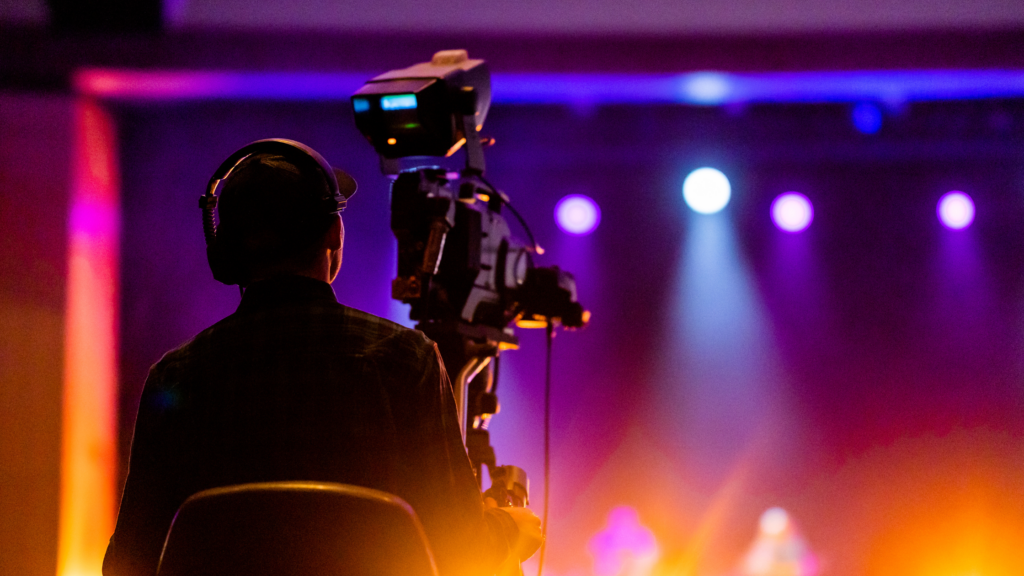
What Audio Visual Production for Live Events Really Involves
Integrating live event audio visual production effectively can enhance audience engagement and make the event unforgettable. In the world of events, live event audiovisual production is crucial to delivering a memorable experience.
Many people still picture AV as a few microphones, a projector, and some stage lights. In reality, audiovisual production for live events significantly influences the overall experience, shaping how it looks, sounds, and feels for both in-person and online audiences. It connects creative ideas with technical execution so the event flows smoothly from opening to closing.
- Define how the audience should feel during each segment.
- Plan sound, video, lighting, and staging around that experience.
- Coordinate content, playback, and cues with the event schedule.
- Support presenters so they focus on delivery instead of equipment.
Because of this, AV production becomes the backbone of the event. Every choice, from microphone type to camera angle, affects how clearly the story lands and how professional the event feels.
Essential Building Blocks of Live Event Audio Visual Production
Every strong live event depends on a few core AV elements working together. When these pieces stay aligned, the experience feels smooth and engaging for everyone in the room and everyone watching online.
1. Audio That Keeps Every Word Clear
Sound forms the foundation of every session, because people lose the message as soon as they cannot hear it. Audio specialists select microphones, adjust the system, and position speakers to ensure even coverage across the room. To achieve the best results, investing in live event audiovisual production is essential for any successful event.
2. Video That Supports the Story
Screens now carry slides, live camera shots, demos, and pre-recorded content throughout the program. Production teams plan screen layouts, camera positions, and switching so visuals always feel natural and easy to follow.
3. Lighting That Shapes Focus and Mood
Lighting does much more than simply brighten the stage for presenters. Designers use it to separate people from the background, highlight key elements, and shift the energy between segments.
4. Staging That Respects Sightlines and Cameras
A successful event hinges on the quality of live event audio visual production and its execution. Staging decisions influence comfort, visibility, and the overall professional look of the event. Production teams place risers, lecterns, seating, and backdrops so audiences and cameras always see a clean view.
5. Streaming That Extends the Room to Remote Viewers
Streaming now sits beside in-person experiences and often reaches a much wider audience. Teams capture a polished program feed, build a clear audio mix for online viewers, and monitor platform performance throughout the show.
Together, these building blocks keep live events stable, engaging, and easy to follow. When each element does its job well, audiences remember the message, not the mechanics running quietly in the background.
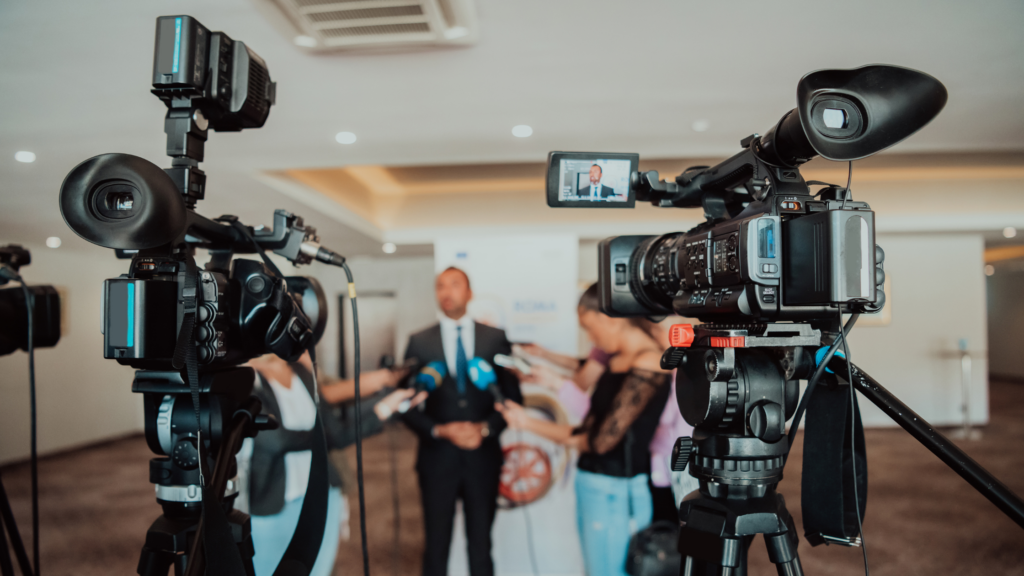
Step-by-Step Timeline for Live Event AV Production
A structured timeline keeps every part of live event audiovisual production organized, predictable, and under control.
a) Discovery: Planners and producers define goals, audience profiles, content types, budget, and key venue details such as size, layout, and access.
b) Design and pre-production: The team designs audio, video, lighting, staging, and streaming systems, creates diagrams and schedules, and gathers all presentations and media.
c) Rehearsals and refinement: Crew members build the system, test every signal path, and rehearse key moments while they fine-tune framing, lighting looks, and cues.
d) Show execution: A show caller runs the program as operators follow the cue sheet, stay in constant communication, solve issues quickly, and keep everything on time.
e) Wrap and review: After the show, the team packs equipment, delivers recordings, and reviews feedback so they strengthen future productions and improve best practices.
These stages turn a complex live event into a controlled, repeatable process that supports both the message and the audience experience.
Common Challenges AV Production Helps You Avoid
The importance of live event audiovisual production cannot be overstated in today’s event landscape. Ultimately, live event audiovisual production is a key factor in audience retention and satisfaction.
Even strong event plans can fall apart when technical details go unchecked. Without a clear AV strategy, teams risk unclear audio, unreadable slides, awkward camera angles, and streams that freeze at key moments. Small issues then pile up, and audiences remember the glitches instead of the message. Thoughtful AV production reduces these risks by testing equipment early, building backup options, and assigning clear roles for every part of the show.
The team anticipates problems such as last-minute content changes, microphone failures, and timing shifts, then puts simple responses in place. As a result, the event stays calm and controlled even when something unexpected happens. This level of preparation also protects the people on stage. Presenters walk into the room knowing that cues, visuals, and sound have already gone through a full check.
Conclusion
Understanding the nuances of live event audiovisual production can dramatically improve event quality. Live event audiovisual production now sits at the heart of every successful in-person and streaming experience. When teams plan each element with intention, they protect the message, support their speakers, and keep audiences engaged from the first cue to the final sign-off. Mongoose AV helps organizations bring this level of structure and clarity to their events, so every show runs with confidence, and every piece of content continues to deliver value long after the live date.
Live event audiovisual production is not just technical; it’s about creating an unforgettable experience. Investing in quality live event audiovisual production is an investment in your event’s success.
FAQs
1. What does audiovisual production for live events include?
It includes planning, system design, equipment selection, crew coordination, rehearsals, show calling, streaming, and recording. The work covers sound, video, lighting, staging, and overall show flow.
2. How early should teams involve AV production in planning?
Teams get the best results when they involve AV production right after choosing the venue and setting goals, so the technical plan can shape room layout, schedule, and content formats.
3. Why does streaming need its own planning, not just a simple feed?
Streaming serves remote viewers who depend on clear audio, clean visuals, and stable connections. Teams therefore create a dedicated streaming mix, monitor quality, and test platforms in advance.